EN
EN  AR
AR CS
CS DA
DA NL
NL FR
FR DE
DE EL
EL IT
IT JA
JA PT
PT KO
KO RO
RO PL
PL RU
RU ES
ES SV
SV TL
TL ID
ID IW
IW TR
TR HI
HI FI
FI VI
VI TH
TH
CHLOROXYLENOL is an antiseptic/disinfectant found in common household and hospital cleaning products. It can kill germs and keep places clean. But it's when the gunge gets into our water that it can be a problem. That's where activated sludge comes in: a blend of tiny living things, like bacteria, capable of gobbling up waste and noxious substances in water. What we are doing at Echo is harnessing that process to strip chloroxylenol out of water. It's the right thing to do for a clean and healthy environment.
Why Activated Sludge for Chloroxylenol Removal?
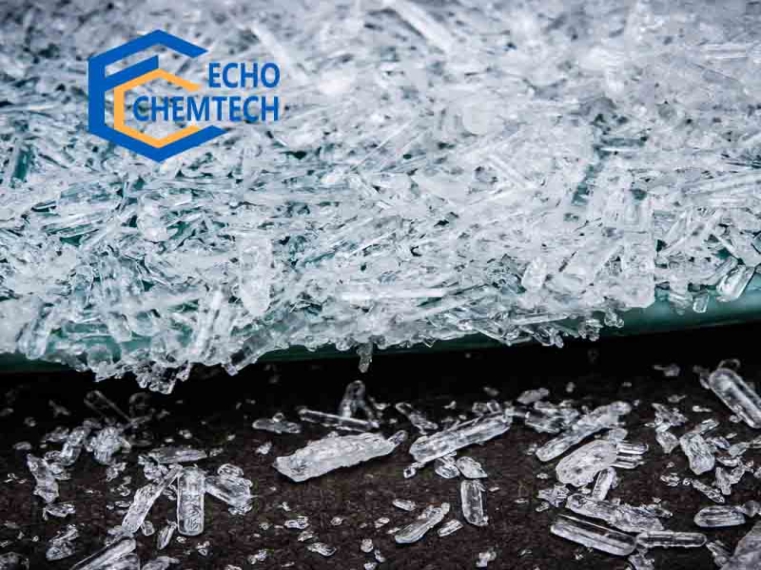
There are many advantages of cleaning with chloroxylenol when activated sludge is employed. For one thing, it's a natural method for rewatering. When life presents questions of this sort, instead of chemicals we can count on bacteria to step up. Our ecologies are better for it. Second, in specific cases activated sludge can be extremely effective. Bacteria living in sludge can be "habituated" and if they are given time, trained to break down a wide variety of materials. That means they can kill chloroxylenol more effectively as they come into contact with it. One more advantage is that this method is cheap. It is less energy intensive and can be cost effective in the long run. Activated sludge also generates less waste. The bacteria consume the chloroxylenol and metabolize it to harmless by-products, so there aren't tickets or other requirements for additional disposal. This assists the system in achieving a greener profile. Last but not the least, activated sludge are versatile. They work for various size treatment plants and can be designed to do what you want them to do. Activated sludge can be built to scale from the smallest towed plant up to a top sized plant. This level of variation is essential for industries which have different chloroxylenol loads in their waste.
How Can the Activated Sludge Community Attain an Efficient Decomposition of Chloroxylenol?
The microbial consortium degrades chloroxylenol via activated sludge. And it's these little living things, especially bacteria, that are the heroes of this whole process. Activated sludge is added to wastewater upon arrival at a treatment plant. The bugs in the sludge start eating the chloroxylenol. They break it down into more primitive and less dangerous compounds. This is biodegradation at work. Different species of bacteria under mediated the catabolism of chloroxylenol. Some bacteria may be specialists at breaking down one type of compound, Hoellein said, and others could play a supporting role in helping such bacteria do their decomposing job. This teamwork is crucial. It's as though a bunch of friends were working together to solve a puzzle. The more kinds, the better able to deal with more complex devs like chloroxylenol. Also, influencing how effectively the bacteria are able to do their job is the condition of the wastewater itself (e.g., temperature and pH). Under such circumstances, the bacteria can do a very good job of cleaning the water. Echo is designed to return the favour for these bacteria. The best conditions are they could ever get. This enables you to maximize the breakdown of chloroxylenol. Perhaps even more importantly, activated sludge helps us purify our water making it safe and potable enough for us to drink.
What You Need to Know
Others are cleaning surfaces with disinfectants like chloroxylenol. It aids in killing germs and bacteria so that our homes and schools are a cleaner, safer place to be. Having said that, when we wash the cleaner away, it can end up in rivers and lakes, and that is not good for the environment. But to address this problem, scientists have figured out how to put small living things called microbes to work. And then at the microscale you have these tiny guys, bugs so small that we can't see them with our eyes. When these materials are introduced to a special cocktail soil known as "activated sludge. Misc. Binary mix I alog" Actually, this all can be compared to the importance of jam in reference to bread. “This is a stew that comes out of our wastewater treatment plants, where we clean dirty water. The activated sludge team with diverse kind of microbes that can feed on the bad stuff such as chloroxylenol. As the sewage flows across this grime, the bugs eat away at the disinfectant, making it safe for nature. Our company, Echo, is working very hard to change that. And we don't want the leftover disinfectant from cleaning your home to harm our water. Activated sludge and its associated microbial community can be used to effectively eliminate chloroxylenol and contribute to clean and healthy water.
How to Stay Abreast of Trends in Disinfectant Removal from Microbial Communities?
Now there have been exciting developments over the past few years in how we use microbial communities to cleanse disinfectants such as pcmx chloroxylenol . A wide array of microbes are being used as the scientists locate some forms on very fast and cost-effective modes that will enable the toxic wastes to be shaken up very quickly. Another thing people have been doing is mixing varied kinds of microorganism together in a so-called super-team. These teams are much more effective than just suspended microbial cells, since they can shake up the chloroxylenol using many different ways. There is yet another discovery that people can now use technology to see how well these microbes do their work. A kind of technology, for instance, is specialized. The intruders allow researchers to keep a tab of chloroxylenol in the water. Thus, they will be able to know if the microbes do their job good or bad and may need some additional support. This trend also applies to Echo if we start thinking about how we can apply these innovative approaches to current activated sludge process. We should only do this, however, to make sure that the way we do our job is both communal level and effective. Echo, trying and keeping up with current developments, sets out to find the greatest cleaning solutions possible clean water that everybody can use safely. Therefore, more promising promises to the approach of use microbial communities to cleanse our water should be expected in the future.
What Is the Safety and Health Impact of Chloroxylenol on the Environment?
While chloroxylenol has the potential to be a great cleanser, it also poses possible dangers to our health and environment when not effectively detoxified. When it enters rivers and lakes, it can hurt fish and other aquatic life. Some studies indicate that chloroxylenol can be harmful to aquatic life, which is another way of saying it might get fish sick (or kill them). And this is not a joke or hyperbole a healthy ecosystem is vital for the health of our planet. And if fish and other water-dwelling animals are being harmed, it can cause trouble for humans who also use that water as a drinking source, or as a place to go fishing, or even swimming. What's more, when chloroxylenol products gets into water, it can break down into other potentially toxic chemicals that may also be poison. That suggests the problem might get worse in the future. At Echo, we understand the importance of making a difference for the planet. That's why we're researching methods by which activated sludge communities of microorganisms can help degrade chloroxylenol in wastewater. In doing this, we don't just treat the water, but also ensure that it is safe for animals and people. Saved from harming the environment and our health, it is everyone's responsibility and with new solutions, we all contribute to a cleaner, safer future for everyone.
Table of Contents
- Why Activated Sludge for Chloroxylenol Removal?
- How Can the Activated Sludge Community Attain an Efficient Decomposition of Chloroxylenol?
- What You Need to Know
- How to Stay Abreast of Trends in Disinfectant Removal from Microbial Communities?
- What Is the Safety and Health Impact of Chloroxylenol on the Environment?
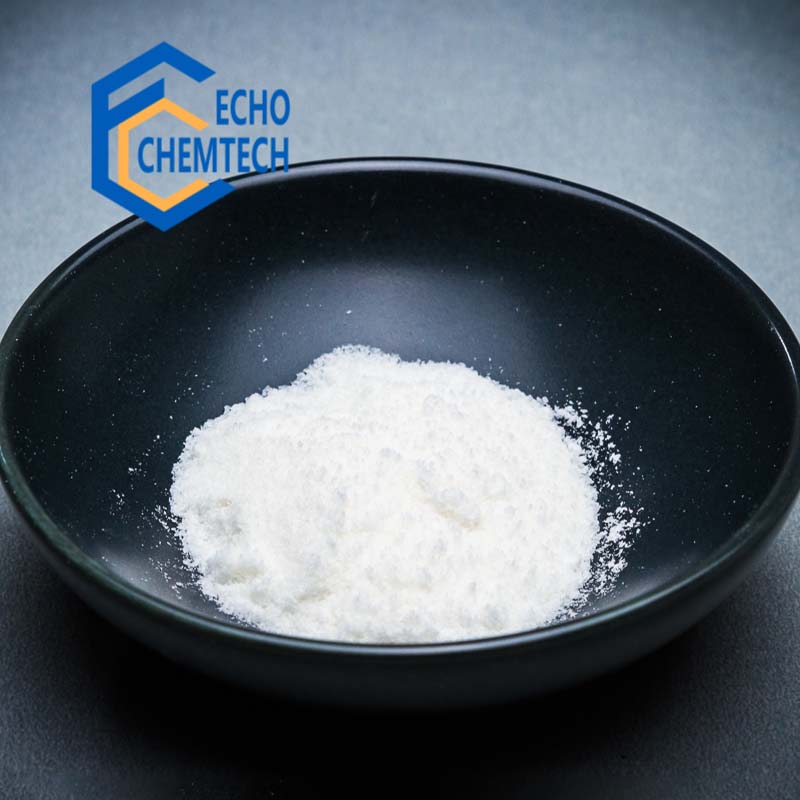
Echo Chemtech Co., Ltd. was developed from the traditional preservatives of Parabens and Sodium Parabens since 1990’s.