EN
EN  AR
AR CS
CS DA
DA NL
NL FR
FR DE
DE EL
EL IT
IT JA
JA PT
PT KO
KO RO
RO PL
PL RU
RU ES
ES SV
SV TL
TL ID
ID IW
IW TR
TR HI
HI FI
FI VI
VI TH
TH
PCMX, or CHLOROXYLENOL, is one of the chemicals that are used when a plant requires a reliable antimicrobial protection component in its products. However, there are cases where a plant may consider using dichloroxylenol instead of PCMX as its active ingredient for various reasons. It might be used for industrial, personal care products, and household disinfectants manufacturing. What is important in choosing between dichloroxylenol and PCMX is not only replacement of one chemical for another but conducting the following: evaluating the requirements regarding the antimicrobial activity of the products, their formulation, regulatory requirements, and process conditions.
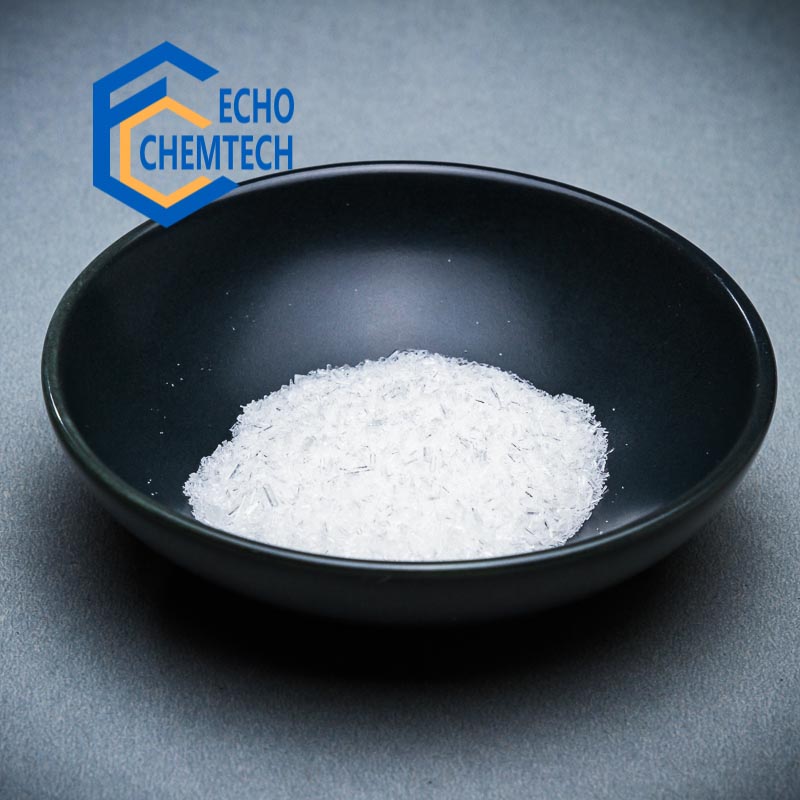
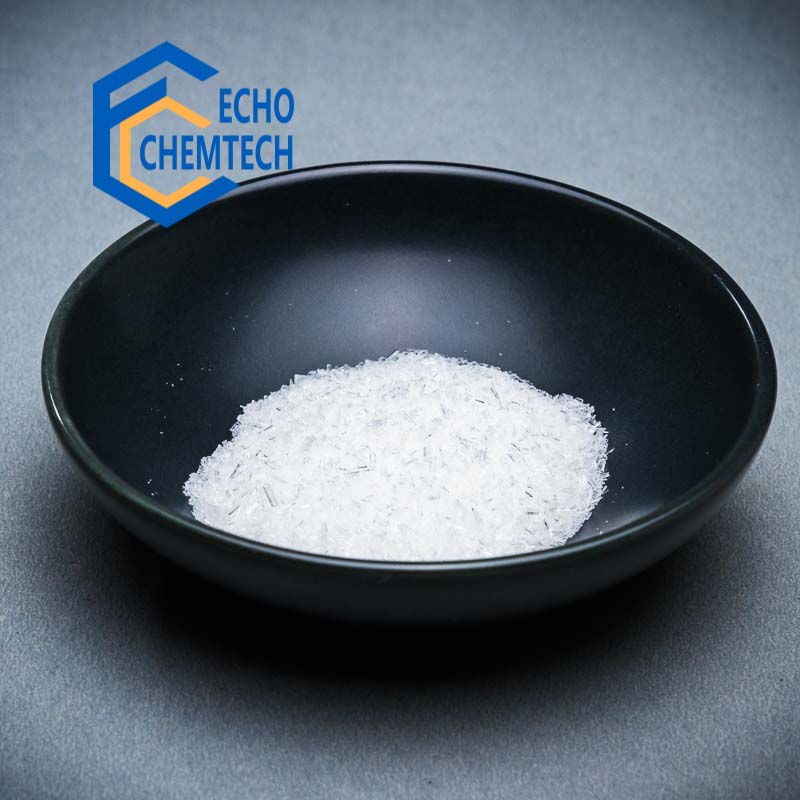
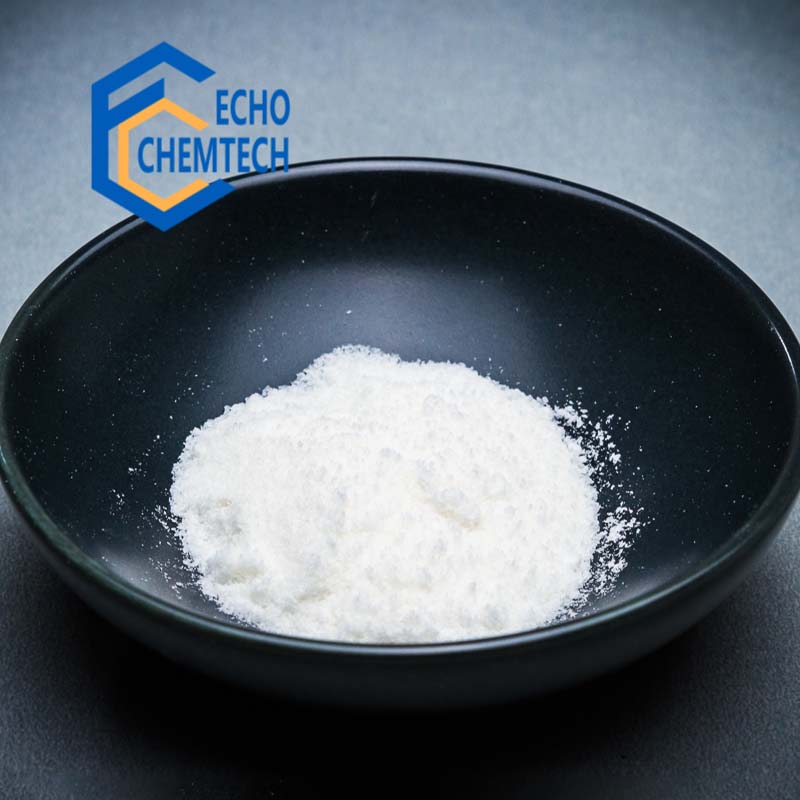
DCMX appearance
DCMX, commonly referring to dichloroxylenol, is a solid chemical that is generally supplied as a white to off-white crystalline material or powder. Its appearance can vary slightly depending on purity, particle size, and storage conditions. When handling DCMX Dichloroxylenol at a manufacturing plant, workers should check the supplier's specification sheet and certificate of analysis rather than relying only on visual appearance. The material should be stored in a clean, dry, well-sealed container and protected from conditions that could affect its quality. Before adding it to a formulation, operators can also check for unusual discoloration, clumping, moisture, or foreign particles. These simple checks can help identify possible storage or handling problems before the material enters production.
DCMX odor
DCMX generally has a mild, characteristic phenolic or chemical odor, although the exact smell can vary with purity and the form in which the material is supplied. In a production plant, odor should not be used as the only way to identify the chemical. Operators should always confirm the material against its label, specification sheet, and safety documentation before handling or adding it to a batch. If the smell suddenly becomes much stronger or noticeably different from the normal material, it can be a reason to check the container, storage conditions, and product quality. Good ventilation is also important when handling powdered or concentrated raw materials, especially in areas where workers handle them regularly.
DCMX formula with the disinfectant
DCMX can be included in disinfectant formulations when the finished pcmx chloroxylenol product needs antimicrobial protection, but the exact formula depends on the target use, local regulations, and the required performance. A typical development process starts by deciding the intended application, such as a surface cleaner, institutional disinfectant, or personal-care product. The formulator then checks DCMX compatibility with the other ingredients, including water, surfactants, solvents, preservatives, and fragrance. The pH and physical stability of the mixture also need attention because changes in these factors can affect the final product. Rather than copying a fixed recipe, plants should develop the formula through laboratory testing and confirm antimicrobial performance, stability, skin or surface compatibility, and regulatory requirements before moving to full-scale production.
Table of Contents
Echo Chemtech Co., Ltd. was developed from the traditional preservatives of Parabens and Sodium Parabens since 1990’s.